
BLOG, ELIXIR BLANC SERUM
Hydrating Serum: Essential Deep Moisture for Sensitive Skin

Dry and sensitive skin often struggles to maintain its natural moisture levels, leading to tightness, flaking, and a compromised barrier. Incorporating a hydrating serum into your daily skincare routine can transform parched, irritated skin into a supple, resilient canvas. At Dr.Clariv, we understand the unique challenges of dehydrated skin, which is why our Elixir Blanc Serum combines powerhouse actives like Argireline, Bakuchiol, Tranexamic Acid, and Copper Peptides to support both brightness and hydration. In this guide, we explore various options for targeted hydration, including specialized hydration serum formulations, to help you choose the perfect product for long-lasting nourishment.
What Is a Hydrating Serum?
A hydrating serum is a lightweight, water-based formula designed to deliver a concentrated dose of moisture-binding ingredients directly to the epidermis. Unlike heavier creams, a true moisture‐boosting serum penetrates deeply without leaving a greasy residue, making it suitable for layering under moisturizers and sunscreens. Key components often include hyaluronic acid, glycerin, ceramides, and plant-based humectants that draw and lock water into the skin. Over time, consistent use of a hydrating serum helps reinforce the skin’s moisture barrier, reducing transepidermal water loss and alleviating dryness.
For those with sensitive or eczema-prone skin, a moisture‐boosting serum that also soothes irritation (for example, one containing niacinamide or panthenol) is especially beneficial. Such formulas not only hydrate but also reduce redness and strengthen the protective lipid matrix.
Benefits of a Hydration Serum
Integrating a hydration serum into your regimen offers multiple benefits:
-
Enhanced Moisture Retention: By attracting water molecules into the epidermis, a hydration serum helps maintain optimal hydration levels throughout the day.
-
Improved Texture and Plumpness: Ingredients like sodium hyaluronate and glycerin create a plumping effect, smoothing fine lines caused by dehydration.
-
Barrier Reinforcement: A well-formulated hydration serum often includes ceramides or fatty acids that support the lipid barrier, reducing sensitivity and preventing environmental aggressors from penetrating.
-
Boosted Efficacy of Other Actives: Applying a hydration serum before serums or treatments (e.g., retinol or vitamin C) ensures that the skin is adequately moisturized, minimizing potential irritation.
-
Suitable for All Skin Types: Even oily or acne-prone skin can benefit from a lightweight hydration serum that uses non-comedogenic humectants to hydrate without clogging pores.
 By choosing a high-quality hydration serum, you lay the foundation for a resilient and radiant complexion, especially crucial for dry or sensitive skin prone to barrier disruption.
Why Choose a Hydration Serum for Face?
A hydration serum for face targets dryness at its source—deep within the epidermal layers. Unlike thicker creams that sit on the surface, a hydration serum for face delivers fast-absorbing moisture to the stratum corneum, where it can make the most difference. Here’s why a hydration serum for face is essential:
-
Rapid Absorption: Lightweight molecules in a hydration serum for face penetrate quickly, allowing subsequent layers (like creams or oils) to lock in that moisture.
-
Layering Flexibility: Since a hydration serum for face is often neutral or slightly acidic (pH 5.5–6), it can be paired seamlessly with other treatments—acids, retinoids, or antioxidants—making it a versatile step between cleansing and moisturizing.
-
Targeted Ingredient Delivery: Many hydration serum for face formulas include specialized actives such as ceramide precursors, peptides, or prebiotic extracts that specifically address barrier function and microbiome balance.
-
Reduced Irritation Risk: For those with rosacea or eczema, a hydration serum for face that contains calming botanicals (e.g., centella asiatica or licorice root extract) can soothe inflammation while restoring hydration.
If your skin feels tight after cleansing or looks flaky in low-humidity conditions, incorporating a hydration serum for face can quickly restore comfort, making it a non-negotiable step for sensitive or chronically dry skin types.
Why a Face Hydrating Serum Is Essential for Dry Skin
A face hydrating serum combines high-potency humectants with barrier-supporting ingredients to address multiple facets of dryness:
-
Targeted Humectants: Ingredients such as hyaluronic acid (0.5%–1%), glycerin (2%–5%), and sodium PCA draw water into the skin’s deeper layers, creating immediate plumpness.
-
Barrier Lipids: A well-formulated face hydrating serum often pairs humectants with cholesterol, ceramide NP, or fatty acids to repair the peripheries of the stratum corneum, minimizing water loss.
-
Soothing Actives: Allantoin, panthenol (1%–2%), and bisabolol calm stressed skin, reducing flaking and redness typically associated with dryness.
-
Antioxidant Defense: Incorporating vitamin E or green tea extract helps protect dehydrated skin from oxidative stress, which can worsen fine lines and dryness.
A face hydrating serum can be especially beneficial for cold climates, air-conditioned environments, or extended air travel—situations where humidity levels drop and moisture evaporates rapidly. For consistently parched skin, using a face hydrating serum morning and night can reestablish a healthy moisture gradient and visibly smooth flaky patches.
How to Select a Moisturizing Serum for Face
Choosing the right moisturizing serum for face means evaluating ingredient lists, texture, and compatibility with your skin’s needs. When searching for a moisturizing serum for face, consider the following:
-
Hyaluronic Acid Variety: Look for multiple molecular sizes of sodium hyaluronate (e.g., 50–100 kDa and 1–2 MDa) to hydrate different layers—the deeper dermis and the superficial epidermis. A true moisturizing serum for face will specify these sizes.
-
Glycerin Concentration: A minimum of 3%–5% glycerin in a moisturizing serum for face ensures robust moisture-binding without a sticky after-feel.
-
Ceramide/Cholesterol Blend: A moisturizing serum for face that includes ceramide NP or ceramide AP at 0.5%–1% (combined with cholesterol and fatty acids) mimics the skin’s natural lipid ratio, reinforcing barrier function.
-
Non-Comedogenic Emollients: Instead of heavy oils, a quality moisturizing serum for face uses emollients like squalane or phytosphingosine to smooth without clogging pores—crucial for those with combination or acne-prone skin.
-
Preservative System: A stable moisturizing serum for face uses gentle preservatives (e.g., phenoxyethanol and ethylhexylglycerin) to prevent microbial growth, ensuring product safety and efficacy.
When reviewing a product label, confirm these elements are present. A superior moisturizing serum for face not only hydrates but also bolsters the skin’s natural defenses, making it ideal for those with chronically dry or compromised barriers.
Role of a Skin Barrier Repair Serum in Daily Care
A skin barrier repair serum focuses on rebuilding the stratum corneum’s lipid matrix, which is vital for preventing water loss and protecting against environmental aggressors. The best skin barrier repair serum formulations contain a balanced ratio of:
-
Ceramides (NP, AP, EOP) at 1%–2% to replenish missing lipids.
-
Cholesterol at roughly 1% to mirror the skin’s natural barrier composition.
-
Free Fatty Acids (linoleic and oleic acids) at 0.5%–1% to support ceramide synthesis.
-
Niacinamide at 2%–5% to boost ceramide production and reduce transepidermal water loss (TEWL).
-
Panthenol (Pro-Vitamin B5) at 1%–2% to soothe inflammation and promote wound healing.

A targeted skin barrier repair serum not only alleviates tightness and sensitivity but also creates a foundation where subsequent layers—treatments, serums, and creams—can be more effectively absorbed and utilized. For individuals with eczema, psoriasis, or chronically reactive skin, a consistent skin barrier repair serum regimen can reduce flare-ups, improve resilience, and maintain a balanced microbiome.
Deep Dive: Ingredients That Define a True Hydrating Serum
When evaluating a hydrating serum, it’s crucial to understand how each active contributes to long-lasting hydration:
1. Hyaluronic Acid (Sodium Hyaluronate)
-
Mechanism: Hyaluronic acid (HA) acts as a humectant, attracting up to 1,000 times its weight in water. A robust moisture‐boosting serum often contains multiple molecular weights (low and high) to hydrate both superficial and deeper layers.
-
Concentration: Ideally, 0.5%–1% total HA ensures noticeable plumping without overwhelming the formula.
2. Glycerin
-
Mechanism: Glycerin binds to corneocytes in the stratum corneum, preventing water evaporation. It also stimulates ceramide production, reinforcing barrier integrity.
-
Concentration: A quality hydrating serum uses at least 3%–5% glycerin for sustained hydration.
3. Ceramide NP or Complex
-
Mechanism: Ceramides are critical lipids that form the extracellular matrix, preventing TEWL and promoting barrier repair. A skin barrier repair serum typically incorporates ceramides at 1%–2% to restore the lipid bilayer.
-
Synergy: When combined with cholesterol and fatty acids, a ceramide-containing moisture‐boosting serum mimics the skin’s natural NMF (natural moisturizing factor) environment.
4. Niacinamide
-
Mechanism: Also known as vitamin B3, niacinamide increases ceramide and free fatty acid synthesis, reduces inflammation, and stabilizes sebum production.
-
Benefits: A hydrating serum with 2%–5% niacinamide boosts barrier function, reduces redness, and helps regulate oil—making it ideal for sensitive or acne-prone skin.
5. Panthenol (Pro-Vitamin B5)
-
Mechanism: Panthenol converts to pantothenic acid in the skin, which enhances keratinocyte proliferation and supports wound healing.
-
Usage: At 1%–2%, panthenol in a moisture‐boosting serum soothes irritation and provides a soft, non-greasy finish.
6. Plant-Based Complexes (Centella Asiatica, Aloe Vera)
-
Mechanism: Botanicals rich in polysaccharides and saponins (e.g., Centella asiatica, aloe vera) offer calming, anti-inflammatory properties while delivering additional hydration.
-
Role: In a hydrating serum, these extracts reduce redness and reinforce barrier repair, particularly beneficial for those with reactive skin.
Combining these ingredients in a single plumping serum delivers multi-layered support for chronically dry and sensitive skin, ensuring both immediate and long-term moisture retention.
Layering Order: Where to Place Your Hydrating Serum
For maximum efficacy, a moisture‐boosting serum should be applied at the proper step in your skincare routine. The general layering order is:
-
Cleanser: Remove dirt, makeup, and excess oil without stripping the skin.
-
Toner or Essence: Balance pH and provide a light hydration boost.
-
Hydrating Serum: At this stage, apply your hydration serum for face or face plumping serum to saturate the epidermis with moisture-binding actives.
-
Barrier Repair Serum: If using a dedicated skin barrier repair serum, layer it immediately after the hydration serum for face to reinforce lipids and ceramides.
-
Treatment Serums (Optional): Include targeted actives like vitamin C, peptides, or retinoids. Ensure your hydration serum has already primed the skin to minimize irritation.
-
Moisturizer or Moisturizing Serum for Face: Seal in hydration using a moisturizing serum for face or a richer cream.
-
Sunscreen (AM only): Always finish with SPF 30+ to protect your newly hydrated, vulnerable skin from UV damage.
By adhering to this layering sequence—first a hydration serum for face, followed by a skin barrier repair serum, and finishing with a moisturizing serum for face—you optimize ingredient absorption and create a fortified barrier against moisture loss and environmental stressors.
Tips for Incorporating a Moisturizing Serum for Face into Your Routine

Introducing a moisturizing serum for face effectively can elevate your skincare game. Keep these best practices in mind:
-
Patch Test First: Even low-irritant moisturizing serum for face formulas may contain new ingredients. Test behind your ear or on the inner forearm for 24 hours.
-
Start Slow: If your skin is extremely dry or sensitive, apply a small amount of moisturizing serum for face every other day for the first week, then progress to daily use.
-
Use on Damp Skin: For deeper penetration, apply your moisturizing serum for face immediately after toning or misting your face with a hydrating facial spray.
-
Avoid Mixing Contradictory Actives: If you’re using exfoliating acids or retinoids, separate them from your moisturizing serum for face application by at least 20–30 minutes. This ensures each active performs optimally without pH conflicts.
-
Layer Strategically: For extremely dry areas (e.g., cheeks, nasolabial folds), apply an extra drop of moisturizing serum for face to those patches and gently massage until fully absorbed.
When used correctly, a moisturizing serum for face becomes the linchpin of a balanced routine, delivering both immediate comfort and long-term barrier resilience.
How to Use a Skin Barrier Repair Serum Effectively
For individuals with eczema, psoriasis, or chronically compromised barriers, a skin barrier repair serum is non-negotiable. Follow these guidelines:
-
Timing Matters: Apply your skin barrier repair serum as the third step—immediately after your hydration serum for face. This ensures that humectants have established moisture gradients while ceramides and fatty acids seal the barrier.
-
Layer with Care: After your skin barrier repair serum, wait 1–2 minutes for absorption before adding other treatments or heavier creams. This pause prevents “pilling” and ensures maximum lipid integration.
-
Focus on Trouble Zones: For areas prone to dryness (e.g., around nostrils, mouth corners, between eyebrows), gently pat extra product to reinforce shielding.
-
Use Morning and Night: Consistency is key; use a skin barrier repair serum twice daily to sustain the lipid matrix.
-
Adjust During Flare-Ups: If you experience redness or itching, temporarily forego active ingredients (like retinoids or strong acids) and rely solely on your skin barrier repair serum plus a gentle moisturizer until the barrier heals.
A dedicated skin barrier repair serum supports long-term resilience, ultimately reducing the frequency of flare-ups and improving overall texture.
Dr.Clariv’s Elixir Blanc Serum: A Hybrid Approach
While our focus here is on hydration-centric products, it’s worth mentioning that Dr.Clariv’s Elixir Blanc Serum uniquely merges brightening and hydrating actives. Though not strictly labeled a hydrating serum, its clinical-grade formula includes:
-
Tranexamic Acid: Helps fade dark spots.
-
Bakuchiol: A plant-based retinol alternative promoting cell turnover.
-
Argireline (Acetyl Hexapeptide-8): Targets fine lines and expression wrinkles.
-
Copper Peptides (GHK-Cu): Supports matrix remodeling and wound healing.
-
Hyaluronic Acid & Glycerin: Provide immediate and sustained hydration.
Because Elixir Blanc Serum also delivers moisture-binding humectants alongside barrier-supporting peptides, it functions as both a brightening and hydration serum for face.
Real-Life Scenarios: When to Use Each Serum
Morning Routine for Dry, Sensitive Skin
-
Cleanse with a gentle, non-stripping gel cleanser.
-
Tone with an alcohol-free, hydrating toner.
-
Apply a Hydration Serum for Face: Dispense 2–3 drops of a hydration serum for face onto damp skin. Gently press in to enhance absorption.
-
Use a Skin Barrier Repair Serum: Immediately follow with a thin layer of skin barrier repair serum to lock in moisture and fortify the lipid matrix.
-
Optional Treatment: If you use antioxidant serums (e.g., vitamin C), apply them now—your hydration serum for face has primed your barrier for deeper delivery.
-
Seal with a Moisturizing Serum for Face: For extra protection, layer a moisturizing serum for face over the barrier repair serum, focusing on tension spots (cheeks, mouth corners).
-
Finish with SPF 30+: A broad-spectrum sunscreen is mandatory to shield your vulnerable skin from UV damage, which can exacerbate dryness.
 Evening Routine to Maximize Repair
 Evening Routine to Maximize Repair
-
Double Cleanse: Start with an oil-based cleanser to dissolve makeup/sunscreen, followed by a gentle cream cleanser.
-
Exfoliate (2–3×/week): Use a mild AHA or BHA to remove surface dead cells—but not on nights when you apply a hydration serum for face to avoid over-exfoliation.
-
Apply Face Hydrating Serum: Dispense 2–3 drops of a face hydrating serum onto slightly damp skin. Allow it to sink in for 1 minute.
-
Layer Skin Barrier Repair Serum: Press in a skin barrier repair serum, focusing on tension lines to maximize overnight repair.
-
Optional Treatment Serum: If you include retinoids or specialized treatments (e.g., glaucoma prescription or peptide boosters), apply them after barrier repair.
-
Seal with Moisturizing Serum for Face: Finish with a moisturizing serum for face or emollient-rich night cream to lock in all active ingredients and maintain hydration through the night.
By customizing your AM/PM routine with a hydration serum for face, a face hydrating serum, a skin barrier repair serum, and a moisturizing serum for face, you ensure around-the-clock support for dry and sensitive skin.
Addressing Common Concerns
“My Skin Feels Sticky—Is My Hydrating Serum Too Heavy?”
-
If your moisture‐boosting serum leaves a tacky residue, it may contain high levels of occlusive silicones or heavy polymers. Switch to a formula labeled “water-gel” or “water-based” and check for non-comedogenic humectants (like sodium PCA or propanediol). A proper hydration serum for face should absorb within 30 seconds.
“I Break Out Whenever I Use a Hyaluronic Acid Serum”
-
Acne can occur if the plumping serum for face is combined with pore-clogging emollients. Look for a minimalist plumping serum featuring only hyaluronic acid and glycerin, without oils or thick butters. Alternatively, a lightweight face hydrating serum with ceramides but no occlusive oils might suit you better.
“I Still Feel Dry by Midday Even with a Moisturizing Serum for Face”
-
If your moisturizing serum for face feels insufficient, you may need to layer it over a skin barrier repair serum and follow with a cream. You can also spritz a hydrating mist throughout the day to reactivate your morning hydration serum for face. Additionally, check your environment—low humidity can accelerate moisture loss, so consider a humidifier.
“Can I Mix My Skin Barrier Repair Serum with Other Actives?”
-
Yes, but with caution. If your skin barrier repair serum already contains niacinamide or ceramides, avoid mixing it directly with strong acids or retinoids. Instead, apply it on alternate nights or layer it first, wait 1–2 minutes, then apply your active serum.
DIY Options: Building a Custom Hydrating Serum at Home
If you prefer a more hands-on approach, you can create a basic moisture‐boosting serum using these ingredients:
-
Distilled Water (70%–80%): Base ensures purity and prevents contamination.
-
Hyaluronic Acid Powder (0.5%–1%): Dissolve by slowly sprinkling into gently heated water (no higher than 70°C) while stirring.
-
Glycerin (3%–5%): Add after HA is fully dissolved; glycerin attracts moisture into the skin.
-
Niacinamide (2%–3%): Mix in to boost barrier function and reduce redness.
-
Panthenol (1%): Stir in to soothe and condition.
-
Preservative (0.5%–1% Phenoxyethanol + Ethylhexylglycerin): Essential to prevent bacterial growth.
-
Optional Soothing Extracts (0.5%–1% Aloe Vera or Centella Asiatica Extract): Add for additional calming effects.
-
pH Adjustment: Ensure final pH is between 5.0 and 6.0 using small amounts of citric acid or sodium hydroxide (as needed).
Once mixed and cooled, transfer your DIY moisture‐boosting serum into a sterilized dropper bottle. Store in a cool, dark place and use within six weeks. This homemade version functions similarly to a commercial plumping serum, providing essential moisture without unnecessary fillers.
Common Mistakes to Avoid

When using any hydrating serum, steer clear of these pitfalls:
-
Skipping Moisturizer After Serum: A Moisture‐boosting serum delivers moisture but doesn’t seal it in. Always follow with a cream or moisturizing serum for face to lock in hydration.
-
Applying to Bone-Dry Skin: For optimum absorption, apply your plumping serum to slightly damp skin—this amplifies humectant performance.
-
Layering Too Many Actives Too Soon: If you combine a strong AHAs/BHAs or retinoids with a plumping serum, apply them on separate nights or allow adequate time (20–30 minutes) between layers.
-
Neglecting SPF: Dry or sensitive skin is more prone to UV damage. Always finish your AM routine with broad-spectrum SPF after your hydration serum for face and moisturizing serum for face.
-
Using Incompatible Packaging: If you decant serums into jars or uncovered containers, they can become contaminated. Always opt for airless pumps or dark dropper bottles to preserve potency.
Avoiding these errors ensures that your hydrating serum performs at peak efficacy, protecting and nourishing your skin rather than exacerbating dryness or sensitivity.
Final Recommendations: Building Your Ideal Routine
For dry, sensitive skin, consistency and layering are paramount. Below is a sample routine incorporating all the serums discussed:
Morning Routine
-
Cleanse with a gentle, fragrance-free gel cleanser.
-
Tone using a hydrating, alcohol-free toner to balance pH.
-
Hydration Serum for Face: Apply 2–3 drops of your chosen hydration serum for face onto slightly damp skin; press gently.
-
Skin Barrier Repair Serum: Immediately layer a skin barrier repair serum over the hydration serum.
-
Optional Antioxidant Serum: If using vitamin C or peptide boosters, apply now.
-
Moisturizing Serum for Face: Finish with a moisturizing serum for face to seal moisture.
-
Sunscreen (SPF 30+): Essential for daily protection, especially when barrier function is being restored.
 Evening Routine
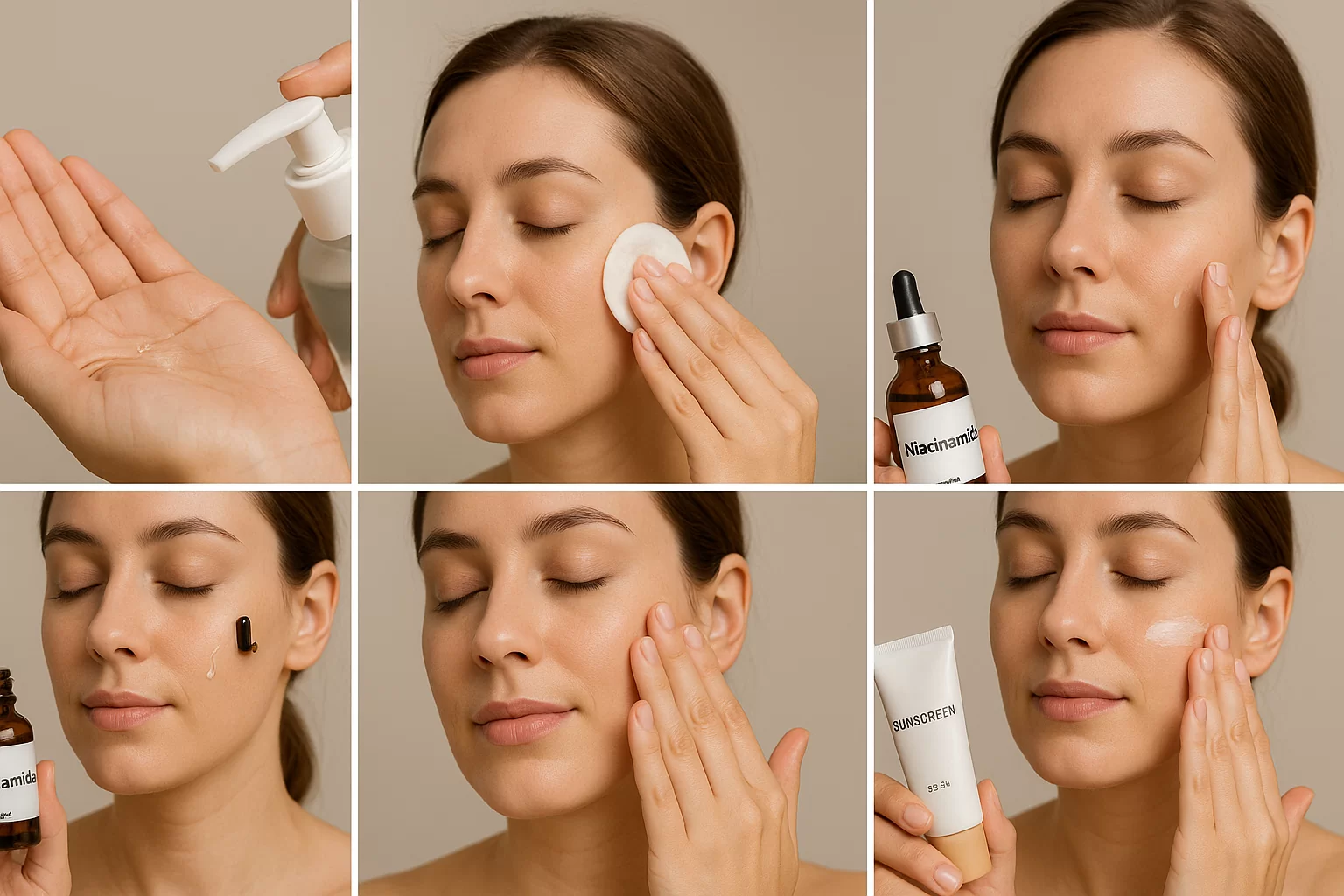 Evening Routine
-
Oil Cleanse: Remove makeup and sunscreen with a gentle oil or balm cleanser.
-
Second Cleanse: Follow with a mild cream or gel cleanser.
-
Exfoliate (2–3×/week): Use a mild AHA/BHA pad—but not on nights when you apply a hydration serum for face to avoid over-exfoliation.
-
Face Hydrating Serum: Apply 2–3 drops of a face hydrating serum onto slightly damp skin.
-
Skin Barrier Repair Serum: Press in a skin barrier repair serum to reinforce lipids overnight.
-
Optional Treatment Serum: If you incorporate retinoids or targeted treatments, apply after the barrier serum.
-
Moisturizing Serum for Face/Night Cream: Seal in all actives with a moisturizing serum for face or richer emollient cream.
Conclusion
For those struggling with dry or sensitive skin, a dedicated layering strategy—anchored by a hydrating serum—is essential. A high-quality hydration serum for face infused with hyaluronic acid, glycerin, and ceramides lays the groundwork for effective moisture retention. Following immediately with a skin barrier repair serum ensures that hydration is locked in and that your barrier remains robust. Finally, sealing the regimen with a moisturizing serum for face or rich cream provides long-lasting comfort and prevents TEWL.
At Dr.Clariv, our Elixir Blanc Serum offers an innovative hybrid solution, delivering hydration alongside brightening and anti-aging benefits. Explore more at Dr.Clariv’s official website or find it on Amazon. With the right combination of serums and consistent application, you can achieve a hydrated, resilient, and radiant complexion—no matter how dry or sensitive your skin may be.